Abnormal uterine bleeding refers to any variation from the normal menstrual cycl...See More
Mar 06, 2026
Call Us
From Routine Check-Ups to Specialized Treatments

Expert Care for a Healthy Start for You and Baby
 (1).png)
Minimally Invasive Surgeries

.png)
.png)
.png)
About Us
Years of Expertise
Surgeries
Satisfied Patients


Speciality in managing high risk pregnancy

















Stay informed with our latest updates, posts, announcements, and healthcare news
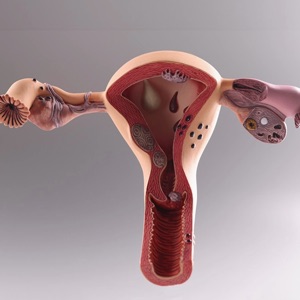
Abnormal uterine bleeding refers to any variation from the normal menstrual cycl...See More
Mar 06, 2026
Call UsAbout Doctor

What our Patients says about us
I consulted Dr. Prach in July and was very impressed with her approach. She quickly identified the problem and clearly explained the treatment plan, including the cycle and what to expect. Her diagnosis was precise, and she guided me step by step through the process, ultimately ensuring my hysteroscopy was completed smoothly.

Dr. Prachi gupta is Good doctor .She is very simple and so sweet her behavior. She will give sufficient time to each patient.her nature is friendly.
Dr. Prachi Gupta (Paras Hospital, Gurgaon) is one of the most incredible doctors I have ever come across. She takes care of her patients like her very own and goes to great lengths to make sure that the best treatment is suggested. My mom’s surgery was completely her magic work , it all went so smooth. For any gynae related concern ,she’s my #1 recommendation. 10/10
I had a wonderful experience with Dr.Prachi. She listens to all the problems very patiently and gives genuine suggestions..She has been very helpful throughout my pregnancy journey and was always available on WhatsApp and call whenever needed..she has a very friendly encouraging attitude and makes people feel comfortable in her presence.. I'll always be grateful for her guidance and support throughout the journey!!
My mother had a Total Laparoscopic Hysterectomy (TLH) done by Dr. Prachi Gupta and had an excellent experience. She is highly skilled, explains everything clearly, and is very caring. The surgery and recovery went smoothly. I’m truly grateful and highly recommend her.
I had my best experience, her way of speaking and comforting the patient makes the treatment journey beautiful. My pregnancy journey was really calming because of her. I feel lucky connecting her.
This I recommend to people in Gurgaon. Best mental support and family like advise we have received so far during the 9 months of wife's pregnancy.
Dr. Prachi provided exceptional care during our pregnancy. She is not only an expert in her field but also takes the time to listen and address all concerns with patience and empathy. Dr Prachi actively followed up with us on WhatsApp/call, regularly checking in on our health & well being. Thank you, doctor. Her professionalism and dedication gave us confidence and comfort throughout our journey. We highly recommend Dr. Prachi for anyone seeking a skilled and caring gynaecologist.
I had wonderful experience with Prachi mam. She is best gynaecologist. She gives you best treatment and discuss every possible way to treat you. You can contact her anytime. She is always there to help you. Thank mam
I had a very great experience with Dr. Prachi. She listened attentively to all my concerns and always provided right solutions. She is very friendly and supportive. Even though I am not in town this time, she is always available on WhatsApp for any query and always take my update. I highly recommend Dr. Prachi for pregnancy.
I had a great experience with Dr.Prachi, also after my first visit I was not able to come clinic everytime but she guided me on what's app and also till my recovery she was taking my update on whatsapp itself. I highly recommend.

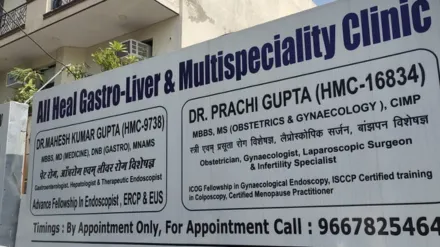

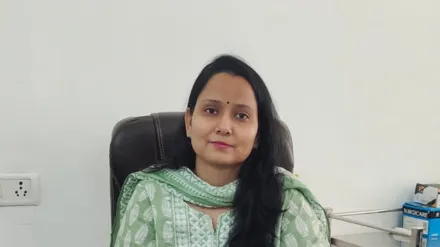




Know your doctor better
The clinic pioneer the idea of providing all the services under on roof. The clinic is expert in dealing with high-risk pregnancies, colposcopy, caesarean section, family planning, infertility treatment, pelvic care, pregnancy care, cancer screening, contraception and laparoscopy. Pre-book an appointment with Dr. Prachi Gupta a gynecologist for online consultations or clinic visit, as convenient to you, by clicking on Book Appointment button on this website.
Pre-book an appointment with Dr. Prachi Gupta a gynecologist for online consultations or clinic visit, as convenient to you, by clicking on Book Appointment button on this website.
The right age for the first cancer screening depends on several factors, including your gender, family history, and the type of cancer you're considering screening for. Typically, women with an average risk of breast cancer should start getting mammograms annually at age 40 or 45, and no later than age 50. However, some guidelines recommend discussing individual risk factors and screening options with a healthcare provider starting at age 40. Cervical cancer screening with Pap smears usually begins at age 21. The frequency of testing may vary based on age and previous results. Lung cancer screening with low-dose CT scans is typically recommended for individuals aged 55 to 80 who have a history of heavy smoking. It's important to note that these are general guidelines, and individual circumstances may vary. Your healthcare provider can help determine the most appropriate age to start cancer screenings based on your personal risk factors, family history, and medical history. Pre-book an appointment with Dr. Prachi Gupta a gynecologist for online consultations or clinic visit, as convenient to you, by clicking on Book Appointment button on this website.
Early screening for cancer can be a valuable tool in preventing complications and improving outcomes. Screening tests, such as mammograms, Pap smears, colonoscopies, and PSA tests, are designed to detect cancer at an early stage when it's more treatable. Finding cancer in its early stages often allows for less aggressive treatment options. By catching cancer before it advances, complications and side effects associated with advanced cancer can often be avoided. This can include a lower risk of metastasis (spread of cancer), reduced need for extensive surgeries, and a better quality of life during and after treatment. While early screening can be an essential tool, it's also crucial to adopt a healthy lifestyle, including regular exercise, a balanced diet, and avoiding tobacco and excessive alcohol consumption, as these factors can significantly reduce the risk of developing cancer in the first place. Pre-book an appointment with Dr. Prachi Gupta a gynecologist for online consultations or clinic visit, as convenient to you, by clicking on Book Appointment button on this website.
Polycystic ovary syndrome (PCOS) is a hormonal disorder that affects many women. Treatment for PCOS aims to manage its symptoms and address the underlying hormonal imbalances. Maintaining a healthy weight can help improve hormonal balance and reduce symptoms. A balanced diet with a focus on low-glycemic-index foods and adequate fiber can help regulate blood sugar and insulin levels. Birth control pills can regulate menstrual cycles and manage excess androgen production. Metformin used to improve insulin sensitivity in women with PCOS. For women trying to conceive, fertility treatments such as ovulation induction or in vitro fertilization (IVF) may be recommended. Treatment for PCOS is tailored to an individual's specific symptoms and goals, so it's important to consult with a healthcare provider to develop a personalized treatment plan. Pre-book an appointment with Dr. Prachi Gupta a gynecologist for online consultations or clinic visit, as convenient to you, by clicking on Book Appointment button on this website.
Pregnancy care, also known as prenatal care, involves medical and lifestyle support for a woman during her pregnancy to ensure the health of both the mother and the developing fetus. It typically includes regular check-ups with healthcare providers, monitoring the baby's growth and development, nutritional guidance, and advice on managing discomfort and potential complications. Proper pregnancy care is essential for a safe and healthy pregnancy. Pre-book an appointment with Dr. Prachi Gupta a gynecologist for online consultations or clinic visit, as convenient to you, by clicking on Book Appointment button on this website.
After a Cesarean section (C-section) delivery, there can be various complications, although most C-sections are performed without significant issues. Infections can occur at the incision site (surgical wound infection) or internally in the uterus (endometritis). They may require antibiotics for treatment. Excessive bleeding during or after the C-section can lead to anemia or, in severe cases, may require a blood transfusion.Scar tissue (adhesions) can form inside the abdomen, potentially causing pain and increasing the risk of complications in future surgeries. The risk of developing blood clots in the legs (deep vein thrombosis) or lungs (pulmonary embolism) is increased following major surgery like a C-section. It's important to note that many C-sections are performed to ensure the safety of both the mother and the baby, and the majority of women recover well without complications. Healthcare providers take measures to minimize the risk of these complications, and they provide post-operative care and guidance to help with recovery. Pre-book an appointment with Dr. Prachi Gupta a gynecologist for online consultations or clinic visit, as convenient to you, by clicking on Book Appointment button on this website.
It's important for obese individuals planning to become pregnant to work with healthcare professionals to manage their weight and monitor their health throughout pregnancy. Maintaining a well-balanced diet, regular physical activity (if appropriate), and appropriate prenatal care are essential steps in managing obesity during pregnancy. Pre-book an appointment with Dr. Prachi Gupta a gynecologist for online consultations or clinic visit, as convenient to you, by clicking on Book Appointment button on this website.
The primary aim of infertility treatment is to help individuals or couples achieve a successful pregnancy when they have been unable to do so naturally. Infertility treatment aims to address the underlying causes of infertility and improve the chances of conception. The main objective is to increase the chances of conception through assisted reproductive techniques or medical interventions. Some treatments focus on improving the fertility potential of both partners, such as lifestyle changes, medications, or surgical procedures. Managing any underlying medical conditions that may contribute to infertility, such as polycystic ovary syndrome (PCOS) or endometriosis, to improve overall health and reproductive function. Pre-book an appointment with Dr. Prachi Gupta a gynecologist for online consultations or clinic visit, as convenient to you, by clicking on Book Appointment button on this website.
Gestational diabetes can have various effects on both the mother and the baby. Women with gestational diabetes are at a higher risk of developing type 2 diabetes later in life. can lead to complications during pregnancy, such as high blood pressure and preeclampsia. There's an increased likelihood of needing a C-section for delivery. Women who've had gestational diabetes may face a higher risk of recurrence in future pregnancies. The baby may grow larger than average (macrosomia), which can lead to difficulties during delivery. After birth, the baby may experience low blood sugar levels (hypoglycemia) due to the mother's high blood sugar during pregnancy.Babies born to mothers with gestational diabetes may have an increased risk of respiratory distress syndrome. These babies may also be at a greater risk of obesity and type 2 diabetes later in life. Pre-book an appointment with Dr. Prachi Gupta a gynecologist for online consultations or clinic visit, as convenient to you, by clicking on Book Appointment button on this website.